WHAT HAPPENED
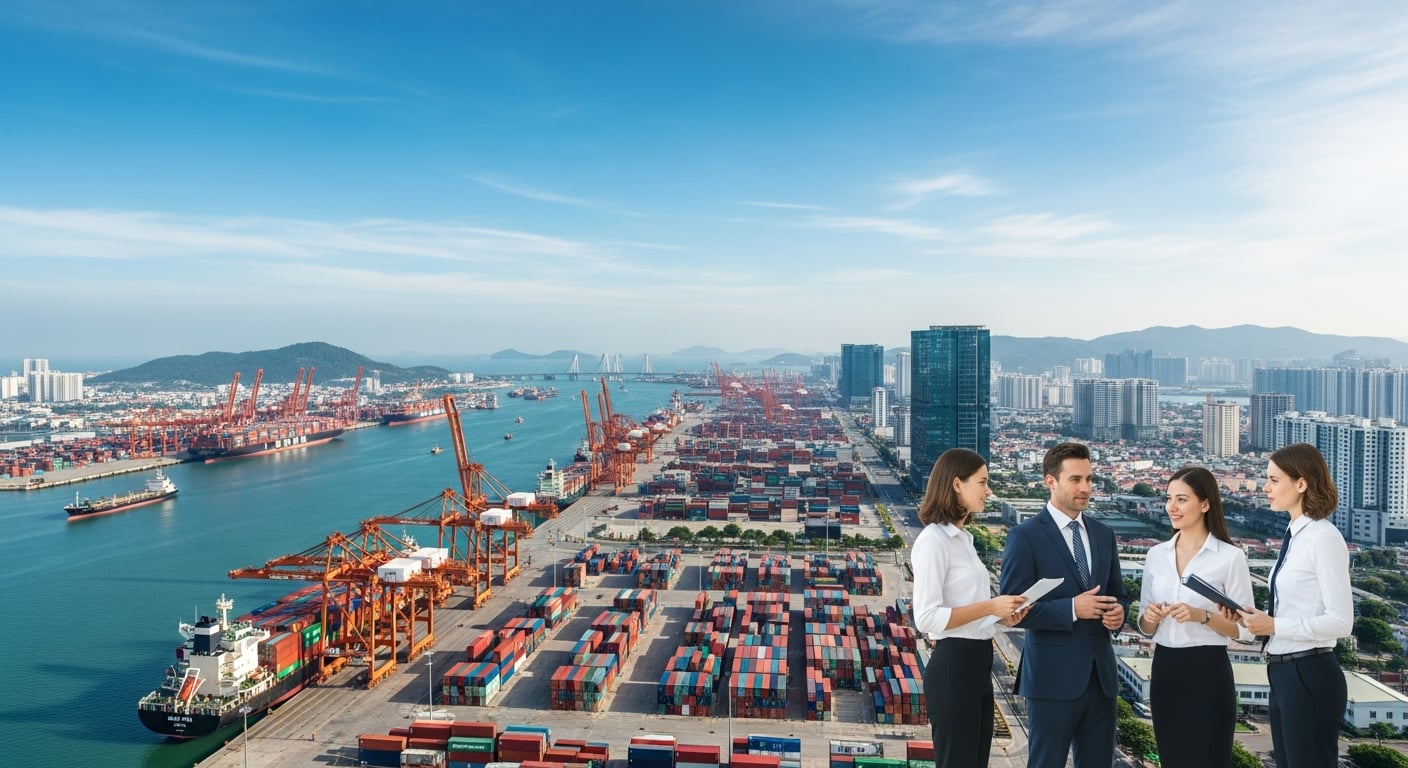
Haiphong, Vietnam's crucial port city, has announced a transition to a new development model designed to overcome existing limitations and provide a powerful impetus for the nation's progress. This strategic decision, unveiled on June 11, 2026, is a response to the growing challenges of the global economy and Vietnam's ambition to secure a leading position in the region. As one of the country's primary maritime gateways and a hub for industrial growth, Haiphong recognizes the necessity of deep structural changes to sustain stable and dynamic development.
The essence of the new model lies in a comprehensive approach encompassing infrastructure improvements, the digitalization of logistics processes, the attraction of high-tech manufacturing, and an enhanced focus on environmental sustainability. According to authorities, this will not only boost the city's competitiveness on the international stage but also strengthen its role in global production and trade chains. The reforms are expected to impact all sectors – from port operations to urban planning and social policy – fostering a more favorable environment for business and investment.
This move by Haiphong demonstrates Vietnam's proactive stance in adapting to a changing world order and its commitment to modernization. As a critically important hub connecting Southeast Asia with the rest of the world, its transformation will inevitably have a significant impact on regional and international trade, offering new opportunities for all market participants, including Russian entrepreneurs.
WHAT THIS MEANS FOR RUSSIAN E-COMMERCE
For Russian e-commerce entrepreneurs actively seeking new markets and optimizing their logistics chains, Haiphong's initiative opens up highly promising horizons. Firstly, changes in this key Vietnamese port hub will directly impact costs and delivery times. Improved infrastructure, the implementation of "smart" port solutions (e.g., terminal automation and digital document management), and optimized transport corridors will reduce operational expenses and accelerate cargo processing. According to expert estimates, by 2027, this could lead to a 15-20% reduction in cargo transit time through Haiphong Port compared to current figures, which is critically important for the rapidly growing e-commerce sector.
Secondly, Haiphong's new development model aims to attract more complex and high-tech manufacturing. This means expanding the pool of potential production partners for Russian companies. While Vietnam was previously known primarily as a supplier of textiles and footwear, Haiphong could now become a hub for the production of electronics, automotive components, machinery, and other high-value-added goods. For Russian e-commerce, this opens up opportunities for product diversification, sourcing unique items, and strengthening supply chains with reliable and modern Vietnamese manufacturers capable of producing goods that meet high international standards of quality and technology.
Thirdly, Haiphong's transformation will significantly simplify market entry for Russian entrepreneurs into Southeast Asian export markets. More efficient logistics and improved transport connections, not only with Vietnam's internal regions but also with neighboring countries (Laos, Cambodia, Southern China) via land corridors and regional sea routes, will make Haiphong an ideal transit point. This will allow Russian e-commerce platforms not just to sell goods to Vietnam, but to use it as a logistical hub for expansion into the entire dynamically developing ASEAN region, where consumer purchasing power is steadily growing. By 2028, the volume of cross-border e-commerce through Vietnam is expected to increase significantly, creating favorable conditions for the export of Russian goods.
Finally, the increased regulatory transparency and creation of a favorable investment climate under the new model will also yield benefits. Simplified customs procedures, reduced bureaucratic barriers, and greater predictability in the business environment will minimize risks and make doing business with Vietnamese partners more attractive and secure for Russian e-commerce, which is seeking reliable and long-term relationships in Asia.
VIETSMART EXPERT COMMENTARY
Observing Haiphong's development dynamics, we at VietSmart see a clear opportunity for Russian entrepreneurs to adopt a proactive stance. This is more than just an upgrade to port infrastructure; it's a fundamental shift in the economic development strategy of an entire region. If you operate in e-commerce and rely on supplies from Asia, now is the time to re-evaluate your logistics routes and potential partners. Actively exploring Haiphong's new capabilities will not only reduce costs but also provide a competitive advantage through faster delivery and access to an expanded range of goods.

KEY TAKEAWAYS AND NEXT STEPS
- Monitor Infrastructure Projects: Closely follow announcements regarding new logistics centers, industrial parks, and port modernization efforts in Haiphong during 2026-2027. This information will enable timely route adaptation and selection of the most efficient entry/exit points.
- Research New Manufacturing Niches: Actively explore Haiphong's updated list of priority industries. If your product line intersects with high-tech sectors, start looking for potential Vietnamese partners now to be ready for launching joint projects by 2027-2028.
- Establish Partnerships with Local Logistics Operators: Initiate dialogue with Vietnamese 3PL providers operating in Haiphong. They will be aware of all local changes and can offer the most favorable terms as the new model is implemented, ensuring fast and cost-effective delivery.
- Evaluate Export Prospects via Vietnam: Consider using Haiphong not only as a source of imports but also as a hub for re-exporting Russian goods to ASEAN countries. Study local demand and regulatory specifics for entering new export markets in the coming years.
- Participate in Business Missions and Forums: Actively seek opportunities for in-person presence at business events in Vietnam during 2026-2027. Direct contact with local authorities and entrepreneurs will help better understand Haiphong's new development model and identify strategic partners.
Source: VnEconomy EN — Business on June 11, 2026