WHAT HAPPENED
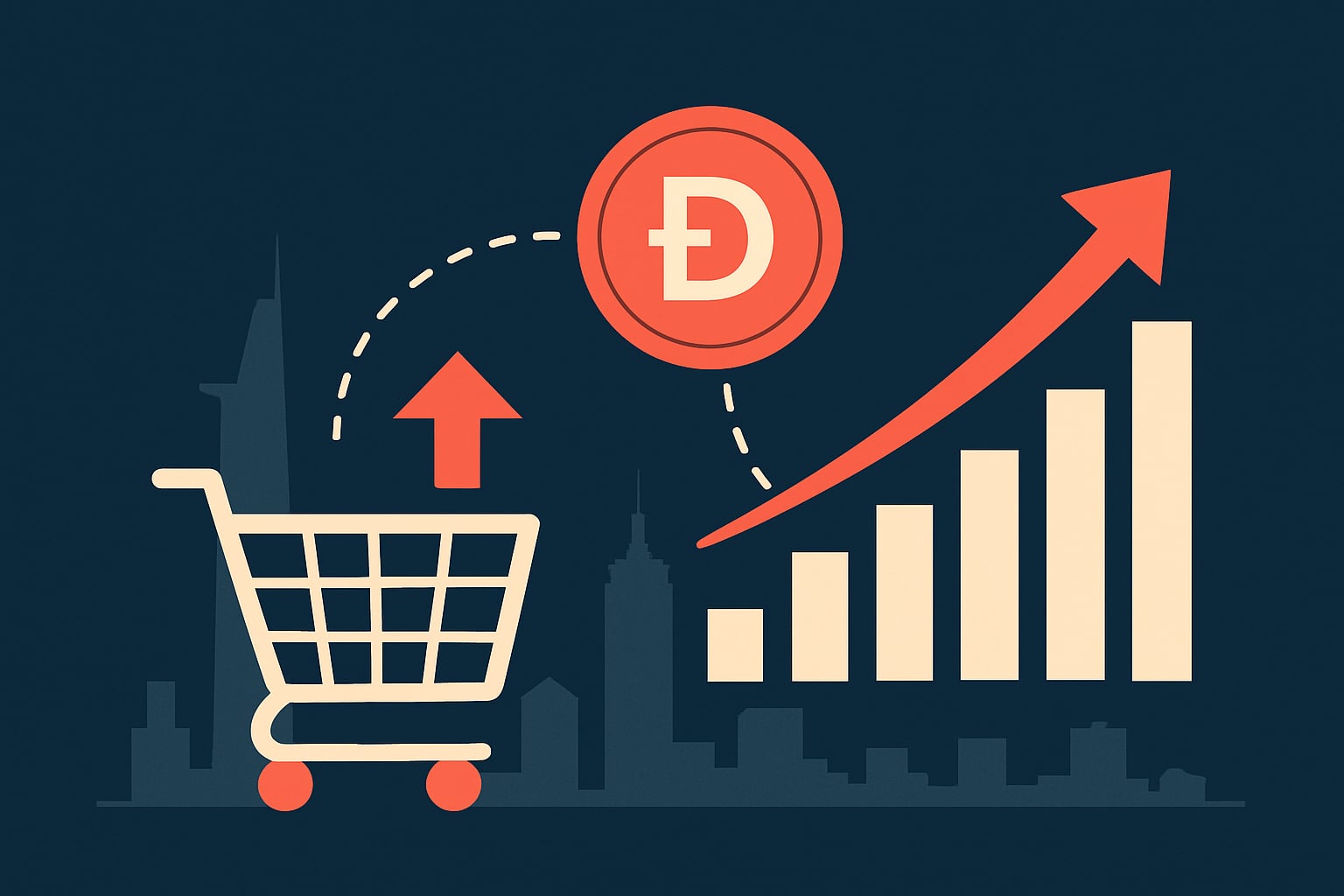
In August and over the first eight months of 2026, Vietnam's economy demonstrates steady dynamics, confirming the country's status as a key player in the region. According to fresh data published by VnEconomy EN, macroeconomic indicators reflect a combination of growth factors and some challenges typical of developing economies. In particular, active growth in production and trade continues, supported by government initiatives and stable domestic demand.
It is noted that GDP growth rates remain high, which is a fundamental indicator of the overall state of the economy. Inflation, though under control, requires careful monitoring, as price pressure persists in some sectors. Export-import operations also show positive dynamics, highlighting Vietnam's significance in global supply chains, which is especially relevant for partners focused on international trade.
These August data serve as an important barometer for understanding the current economic climate and potential directions of its development in the near future. They provide necessary information for strategic planning and adjusting business models for companies operating or planning to enter the Vietnamese market.
WHAT THIS MEANS FOR RUSSIAN E-COMMERCE
For Russian entrepreneurs considering entering Vietnam's dynamic e-commerce market or already cooperating with Vietnamese suppliers, current macroeconomic indicators for August 2026 have direct and indirect significance. Vietnam's sustained GDP growth signals an increase in the population's purchasing power, which is a fundamental factor for the success of any e-commerce project. This means that the market is becoming more capacious and attractive for offering a wide range of goods and services.
However, it is necessary to consider factors affecting logistics and cost. Continuing inflationary pressure, even if moderate, can lead to increased operating costs and raw material prices, which, in turn, will affect the final cost of goods imported from Vietnam. Russian e-commerce players should carefully analyze pricing and seek opportunities to optimize logistics chains to remain competitive.
Vietnam's export and import dynamics are also important. An increase in international trade volumes may indicate intensified competition in the local market from other foreign players. At the same time, this can open new opportunities for finding suppliers or forming new partnerships. The active growth of the e-commerce sector in Vietnam overall, supported by economic stability, creates a favorable environment for innovation and the launch of new services, but requires a deep understanding of local specifics and consumer preferences.
The exchange rate of the Vietnamese Dong against world currencies (and, consequently, against the Ruble) is also a critical factor. Its fluctuations can directly affect the cost of purchases for Russian importers and the profitability of sales if transactions are conducted in Dong. Proactive monitoring of the currency market and the use of risk hedging can become important elements of the strategy.
VIETSMART EXPERT COMMENTARY
In the shoes of a Russian entrepreneur, I would now prioritize a detailed analysis of consumer trends and the competitive environment in Vietnam. Overall economic growth is just the top layer. It is important to understand which e-commerce segments are growing faster, which product categories are most in demand, and which payment habits prevail among Vietnamese online shoppers in 2026. Inflationary expectations and changes in supply chains should be integrated into pricing and inventory management models.
Furthermore, it is equally important to focus on adapting marketing strategies to local culture and the specifics of the digital landscape. Simply transplanting Russian e-commerce approaches will not work. It is necessary to actively use local platforms, consider the popularity of mobile commerce, and apply personalized offers based on a deep understanding of the Vietnamese consumer.

CONCLUSIONS AND WHAT TO DO
- Detailed Analysis of Consumer Demand: Study the latest reports on the preferences of Vietnamese online shoppers in 2025-2026. Identify niches where your product or service can have a competitive advantage, considering the increase in purchasing power and possible changes in spending patterns due to inflation.
- Logistics and Pricing Optimization: Review your logistics chains considering current conditions. Explore options for multimodal transport and potential local partners to reduce costs. Account for possible Dong exchange rate fluctuations and inflationary pressure in pricing to maintain profitability.
- Utilization of Local Platforms and Channels: Actively integrate into local e-commerce ecosystems. Develop a presence on popular Vietnamese marketplaces and use social networks, messengers, and local payment systems that dominate the market in 2026.
- Monitoring the Regulatory Environment: Keep abreast of changes in legislation concerning import, export, e-commerce, and personal data protection in Vietnam. This will help avoid unforeseen risks and ensure compliance.
- Strategic Partnership: Consider forming strategic partnerships with Vietnamese companies. This can significantly simplify market entry, provide access to local expertise, logistics networks, and customer base, thereby reducing barriers and risks.
Source: VnEconomy EN — Business from September 5, 2026