Key Developments
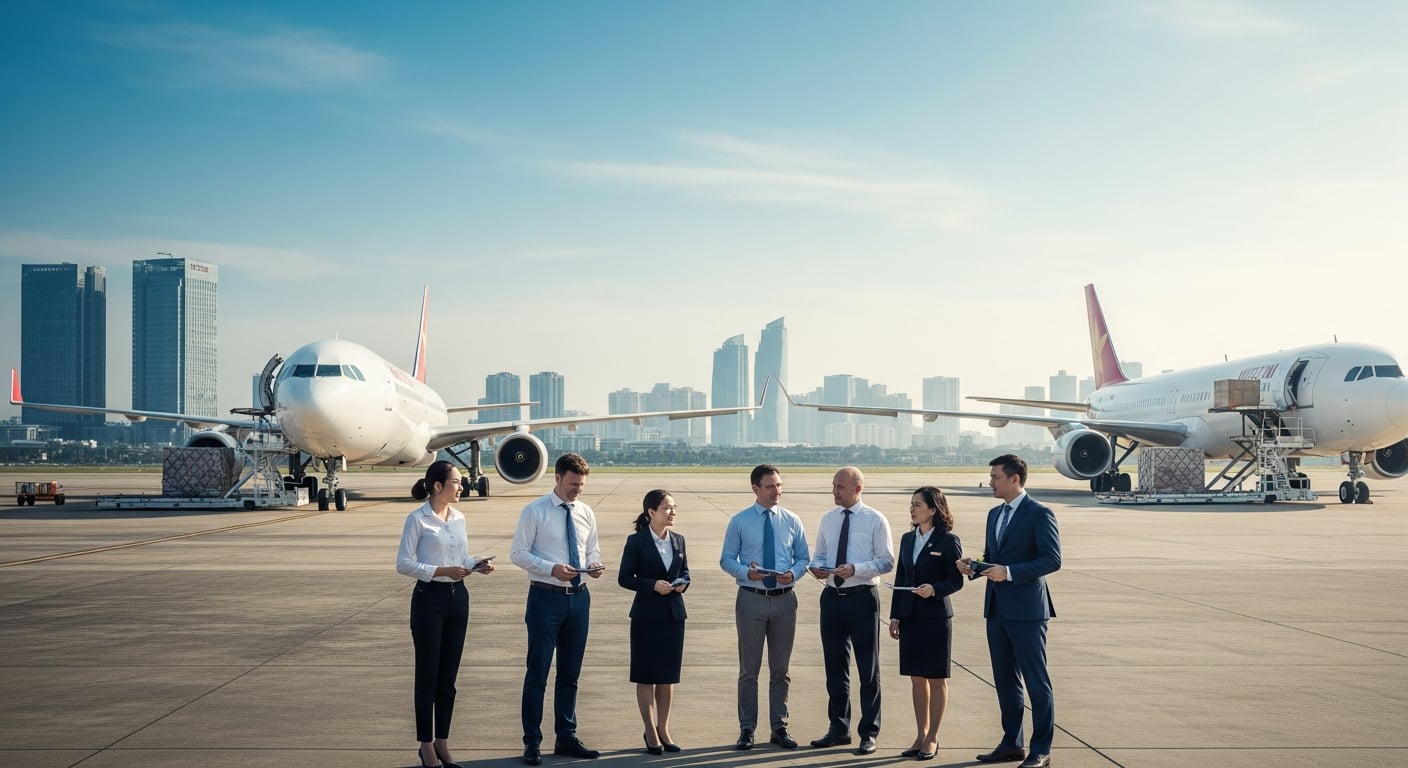
Vietnam's aviation industry is undergoing a period of rapid growth and significant transformation. As of June 27, 2026, leading Vietnamese airlines, including Vietnam Airlines, Vietravel Airlines, and Sun PhuQuoc Airways, are actively expanding their fleets. This expansion directly responds to the sustained recovery in air travel demand and the unprecedented growth in international tourism observed throughout 2025-2026.
The post-pandemic recovery has proven significantly more dynamic than many anticipated, with Vietnam, boasting a growing economy and appeal as a tourist destination, at the forefront of this trend. Airlines are rapidly moving to meet this surging demand by investing in new aircraft and increasing flight frequencies. This isn't merely a fleet upgrade; it's a strategic capacity expansion aimed at strengthening their presence on regional and international routes. Such an aggressive growth strategy is expected to significantly impact the country's entire logistics infrastructure.
The acquisition of new wide-body and narrow-body aircraft not only enables the transport of more passengers but also significantly increases the available volume for "belly cargo" – freight carried in the cargo holds of regular passenger flights. This factor becomes critically important for international trade routes, including those between Vietnam and Russia, opening new opportunities for optimizing logistics chains.
Implications for Russian E-commerce
For Russian e-commerce businesses focused on importing goods from Vietnam, the rapid expansion of Vietnamese airline fleets holds immense significance. An increase in passenger flights directly correlates with a rise in the availability and volume of cargo capacity carried in the belly holds of these aircraft. This means new prospects for e-commerce sellers working with Vietnam, impacting the cost, timing, and overall accessibility of air cargo transportation.
Firstly, the increased supply of cargo capacity on passenger flights will inevitably intensify competition among air carriers and logistics companies. This could translate into the stabilization or even reduction of air freight rates, a direct advantage for e-commerce sellers. Lower logistics costs will enable businesses to either increase product margins or offer more competitive prices to end consumers.
Secondly, the growing frequency of flights and the potential emergence of new direct routes between Vietnam and key Russian cities will significantly reduce transit times. While many shipments still required connections in third countries in 2024, we can now anticipate more direct and faster links. For e-commerce, where delivery speed is often a critical factor in success and customer loyalty, reducing lead times by several days or even weeks will provide a significant competitive edge.
Thirdly, fleet expansion enhances the overall reliability and flexibility of logistics chains. During peak seasons (e.g., sales events or holidays), the availability of additional flights and cargo capacity minimizes the risks of delays and overloads. This allows e-commerce sellers to plan inventory and delivery schedules more confidently, reducing the likelihood of lost revenue due to stockouts or untimely deliveries.
Expert Insight from VietSmart
The current dynamics in Vietnamese aviation create unique opportunities for Russian businesses, but leveraging them effectively requires strategic action. At VietSmart, we recommend that Russian e-commerce entrepreneurs not merely observe these changes but actively integrate them into their business models. This is an ideal moment to review existing logistics contracts and seek new partners capable of offering more favorable terms due to increased market capacity.
It is crucial not to miss this window of opportunity and to initiate negotiations with logistics operators immediately. The increase in fleet size and flight frequency represents a gradual, not instantaneous, change. Those who adapt first and secure long-term agreements under favorable conditions will gain a significant advantage. Furthermore, diversifying logistics partners should be considered to ensure maximum flexibility and resilience in supply chains.

Key Takeaways and Next Steps
In light of recent developments in the Vietnamese aviation market, Russian e-commerce sellers need to take several concrete steps to capitalize on the emerging opportunities:
- Review Logistics Strategies: Update your logistics plans, considering the potential reduction in air freight costs and transit times. Assess how these changes might impact your pricing policy and competitiveness.
- Seek New Partners and Negotiate: Request updated proposals from current logistics providers and actively seek new operators specializing in Vietnam-Russia air delivery. The goal is to negotiate more favorable terms and secure them for the long term.
- Optimize Inventory and Planning: Leverage the opportunity for faster deliveries to optimize inventory management. Reduced transit times allow for smaller safety stock levels and, consequently, lower storage costs, while simultaneously increasing capital turnover.
- Expand Product Range: Consider incorporating products into your assortment that were previously unprofitable due to high logistics costs or long delivery times. Perishable or high-value goods may now become more accessible for import.
- Market Monitoring: Closely monitor the further development of Vietnam's aviation industry and announcements of new routes or increased flight frequencies. Early adaptation to changes will give you a competitive advantage.
Source: VnExpress International — Business from June 27, 2026