WHAT HAPPENED
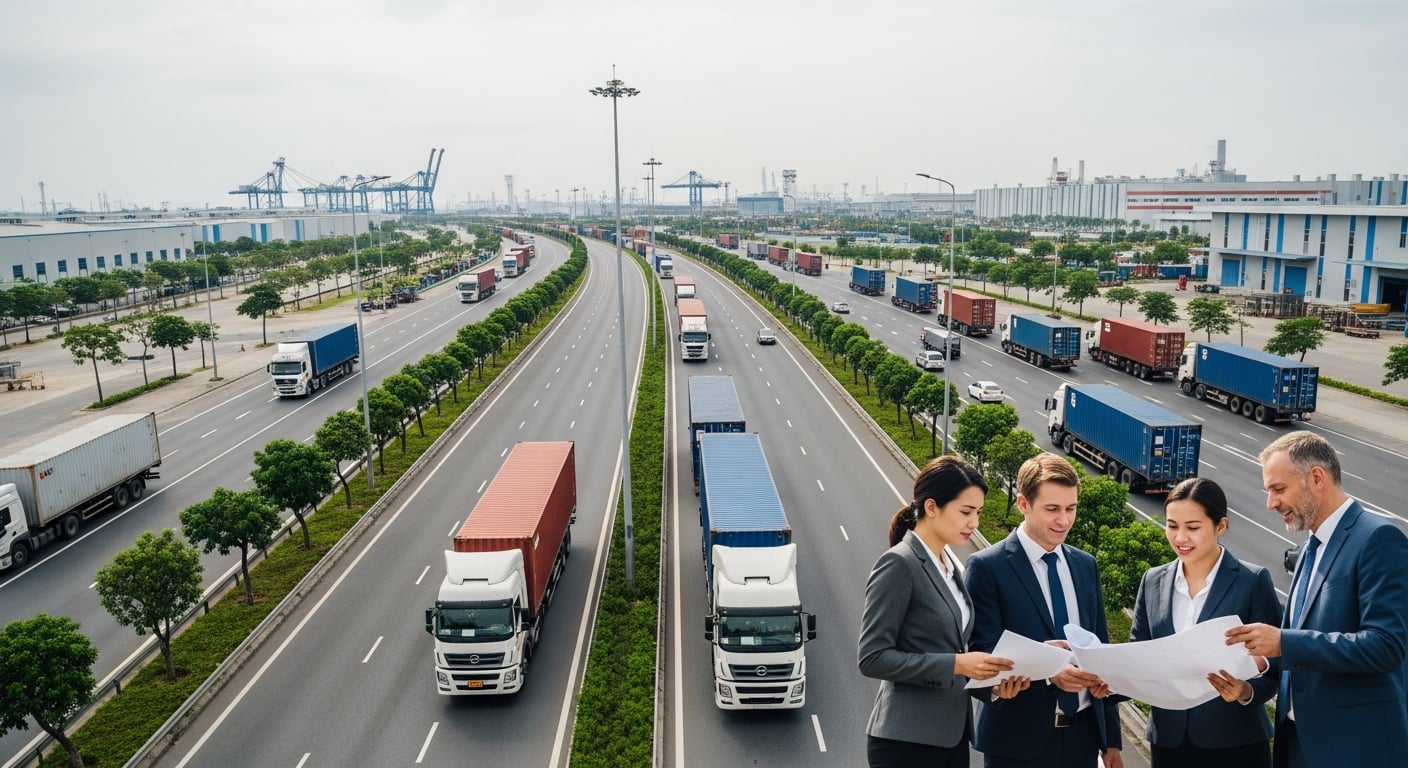
On June 30, 2026, construction officially began in Vietnam on a strategically vital expressway connecting the capital, Hanoi, with the northern provinces of Thai Nguyen and Cho Moi (Bac Kan). This extensive infrastructure project, known as the Hanoi – Thai Nguyen – Cho Moi Expressway, is valued at over 21 trillion Vietnamese Dong, equivalent to approximately $803 million USD. The new highway aims to significantly improve transport links between key economic centers in northern Vietnam.
The project's implementation is designed to address several objectives simultaneously. Firstly, it will substantially reduce travel times and increase the capacity of a transport corridor that has traditionally experienced high demand. Secondly, it will ensure seamless and rapid connectivity between the industrial clusters of Thai Nguyen province, an actively developing manufacturing zone, and Hanoi's logistics hubs. Furthermore, it will unlock new opportunities for the Cho Moi region in Bac Kan province, which possesses significant agricultural and resource potential. The new artery is expected to become a catalyst for economic growth and investment attractiveness throughout the entire northern region.
This initiative is part of Vietnam's broader program to modernize national infrastructure, aimed at strengthening the country's position as one of Southeast Asia's leading manufacturing and export hubs. The development of expressways is crucial for enhancing the competitiveness of Vietnamese goods in the global market and optimizing supply chains for international partners.
WHAT THIS MEANS
For Russian e-commerce entrepreneurs, the commencement of the Hanoi – Thai Nguyen – Cho Moi expressway construction opens fundamentally new horizons. This project directly impacts the efficiency of their supply chains from Vietnam, offering several significant advantages. Firstly, it will reduce delivery times from manufacturing centers to key logistics hubs – ports and airports located near Hanoi. Improved transport accessibility means faster transit of goods, which is critically important for maintaining a relevant product range, responding promptly to market demand, and mitigating risks associated with prolonged inventory storage.
Secondly, and no less important, is a substantial reduction in operational costs. Direct and high-speed connectivity between manufacturing zones (for example, in Thai Nguyen, known for its electronics and textile industries) and the export gateways of Hanoi and Hai Phong will optimize logistics expenses. Less time on the road means lower fuel consumption, reduced vehicle depreciation, and consequently, decreased freight costs. This creates conditions for more competitive pricing of Vietnamese products supplied to the Russian market.
Furthermore, the new expressway facilitates the geographical diversification of production capacities. Previously less accessible areas along the route, such as Cho Moi in Bac Kan province, now become attractive locations for establishing new manufacturing hubs. This means Russian importers will gain access to a wider range of potential suppliers, not just those in congested and more expensive industrial zones. The emergence of new factories and plants in less developed areas can offer more favorable cooperation terms, flexibility in production volumes, and opportunities to source unique goods. This also reduces reliance on a limited number of suppliers, enhancing the resilience of the entire supply chain.
Beyond its direct impact on logistics and cost, improved infrastructure contributes to the overall economic development of the northern provinces. This stimulates investment influx, the creation of new industrial parks, and the development of auxiliary services (warehouses, logistics centers), ultimately boosting the overall efficiency and competitiveness of Vietnam's manufacturing sector. Russian e-commerce businesses operating with Vietnam will be able to leverage these advantages to expand their product ranges, improve supply conditions, and strengthen their market positions.
VIETSMART EXPERT COMMENTARY
The commencement of this expressway's construction is more than just news about an infrastructure project; it's a call to action for those building their businesses on imports from Vietnam. At VietSmart, we see this as an opportunity for Russian entrepreneurs to rethink their current logistics strategies and actively explore new directions for sourcing suppliers and placing orders. It's essential to move beyond established connections and view the northern provinces with a fresh, investment-oriented perspective. Now is the opportune moment to study the potential of regions previously considered peripheral due to challenging transport accessibility.
We recommend not waiting for the construction to complete, but rather initiating dialogue now with Vietnamese partners, logistics companies, and industrial zone development agencies in Thai Nguyen and Bac Kan provinces. Early engagement in these processes will allow you to secure the most favorable positions and adapt your business models to the new reality. Those who are first to capitalize on these changes will gain a significant competitive advantage in the Russian market.

CONCLUSIONS AND NEXT STEPS
- Re-evaluate Current Logistics Routes: Analyze your existing supply chains from Vietnam. Assess how the new expressway can reduce the time and cost of delivery from your current or potential suppliers in the northern provinces to ports or airports.
- Explore New Manufacturing Zones: Actively investigate opportunities for placing orders or partnering with manufacturers in industrial parks along the Hanoi – Thai Nguyen – Cho Moi route. New enterprises with competitive pricing and conditions may already be emerging there.
- Establish Contact with Local Logistics Operators: Reach out to Vietnamese logistics companies for preliminary estimates on delivery times and costs once the expressway is operational. They can offer new, more efficient solutions.
- Consider Supplier Diversification: Utilize the improved accessibility of northern regions to expand your supplier base. This will help mitigate risks associated with reliance on one or two major suppliers and may secure better pricing terms.
- Plan for the Future: Vietnam continues to invest heavily in infrastructure. Stay informed about further plans for transport network development to timely adapt your strategies and remain competitive.
Source: VnEconomy EN — Business on June 30, 2026