
WHAT HAPPENED
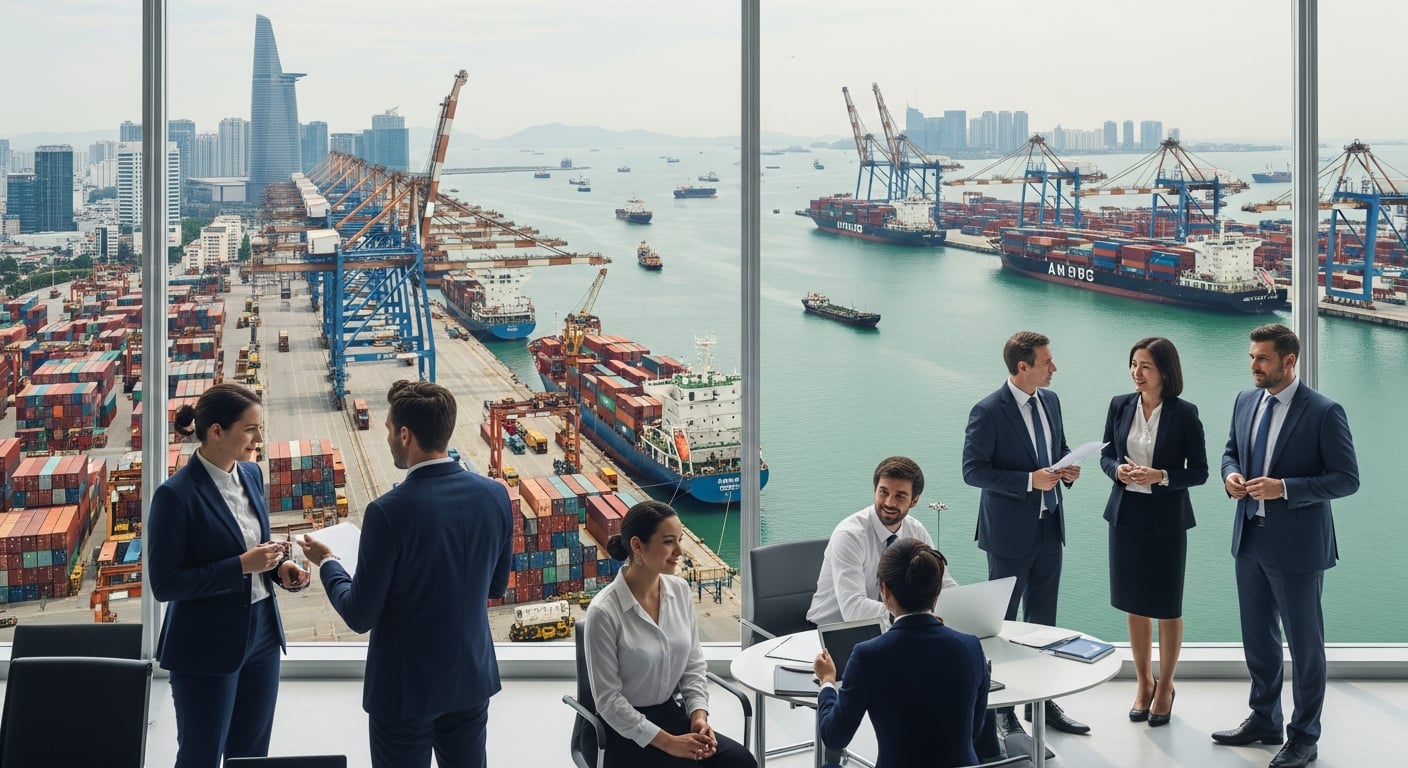
Ho Chi Minh City, the economic heart of Vietnam, is taking ambitious steps to transform its maritime economy. On May 10, 2026, the city council announced the establishment of a Special Committee to develop a sustainable maritime economic development strategy. This move is more than just a formality; it signals the city's serious intent to expand its development towards a coastal urban model, becoming a leading logistics hub and a national center for the maritime economy.
The decision to establish such a committee underscores the strategic importance of the maritime sector for Ho Chi Minh City's future growth. The goal is not only to increase port capacity but also to create a comprehensive ecosystem, including modern logistics centers, developed freight transport infrastructure (road, rail, inland waterways), and a favorable investment environment. This is part of a broader plan to position Vietnam as a significant player in global supply chains, offering alternatives and complements to existing routes in Southeast Asia.
The initiative aims to achieve several key objectives: enhancing port operational efficiency, integrating maritime transport with other modes of freight, stimulating high-tech industries related to the maritime sector, and, crucially for international business, significantly simplifying and accelerating logistics processes. For Ho Chi Minh City, this is a path to solidifying its status as a gateway to regional and global trade, offering improved connectivity and competitive advantages for companies operating with Asia.
WHAT THIS MEANS
For Russian e-commerce entrepreneurs actively seeking ways to optimize supplies from Southeast Asia, Ho Chi Minh City's development represents significant potential. Amidst ever-increasing demands for delivery speed and price competitiveness, Ho Chi Minh City's strengthening as a logistics hub can become a strategic advantage, allowing for a re-evaluation and improvement of existing supply chains.
First and foremost, **reduced delivery times** are expected. Investments in port infrastructure, process automation and digitalization, and the development of a multimodal transport network will allow vessels to be processed faster and goods to be dispatched more quickly to their destinations. This is particularly relevant for e-commerce, where every week, and sometimes even every day, impacts capital turnover and customer satisfaction. More direct and efficient maritime routes from Ho Chi Minh City to Russian ports or transit hubs could, in the future, significantly cut overall transit times.
Secondly, the development of a powerful new hub typically leads to **reduced logistics costs**. Increased competition among maritime carriers, optimized port fees due to enhanced efficiency, and potential reductions in inland transport costs (thanks to improved Vietnamese infrastructure) can positively impact the final delivery price. Russian e-commerce companies will gain the ability to diversify their routes and logistics service providers, choosing the most economically advantageous options.
Furthermore, Ho Chi Minh City's strengthening as a maritime economic center **enhances the availability of Vietnamese goods**. Vietnam has already established itself as a major producer of electronics, textiles, footwear, furniture, and agricultural products. With improved logistics, Russian entrepreneurs will be able to import these goods more easily and affordably, expanding their assortment and offering consumers quality products at more competitive prices. This also helps reduce dependence on supplies from one or two key regions, ensuring greater flexibility and resilience in supply chains.
Finally, for Russian companies, this is also an opportunity for **risk diversification**. Amidst global instability and periodic disruptions to traditional logistics hubs, having a reliable and efficient alternative hub in Southeast Asia becomes critically important. Ho Chi Minh City, with its strategic location and ambitious development plans, can serve precisely as such a buffer, ensuring uninterrupted supplies even under complex geopolitical or economic conditions.
VIETSMART EXPERT COMMENTARY
At VietSmart, we closely monitor such initiatives, as they shape the future of international trade. The establishment of the Committee for Maritime Economic Development in Ho Chi Minh City is not merely a local event, but an indicator of strategic shifts in global logistics. For Russian businesses, this means adopting a proactive approach: waiting until the infrastructure is fully operational means missing out on first-mover opportunities.
We recommend Russian e-commerce entrepreneurs start exploring Vietnam's potential as a source of goods and Ho Chi Minh City as a logistics hub now. This includes not only monitoring infrastructure development progress but also establishing contacts with local manufacturers and logistics operators. Early engagement will not only secure more favorable terms of cooperation but also allow for adapting product strategies to new logistics capabilities. Furthermore, understanding the region's specifics, including cultural and regulatory features, will be key to successful integration into new supply chains.

CONCLUSIONS AND WHAT TO DO
Ho Chi Minh City's development as a major logistics hub is not just news, but an invitation to action for Russian e-commerce. To fully leverage the emerging opportunities and enhance competitiveness, we recommend the following steps:
- Monitor Progress: Regularly track news and reports on the implementation of Ho Chi Minh City's maritime economic development strategy. Pay special attention to information regarding the commissioning of new port facilities, improvements in land infrastructure, and changes in customs regulations.
- Evaluate Current Supply Chains: Conduct an audit of your existing logistics routes from Asia. Compare current delivery times and costs with the potential opportunities Ho Chi Minh City could offer. Identify bottlenecks and assess how they can be eliminated or bypassed using new Vietnamese routes.
- Explore New Product Sources: Actively research Vietnam's manufacturing capabilities. Expanding your product range with goods produced in this region will not only reduce the risks of dependence on a single source but also allow you to offer consumers unique products or more competitive prices.
- Establish Partnerships: Build relationships with Vietnamese logistics providers, freight forwarders, and potential suppliers. Early partnerships can secure more favorable terms and priority service once new routes become fully operational.
- Plan for Diversification: Develop a strategy for diversifying your logistics routes. Even if Ho Chi Minh City doesn't immediately become your primary hub, utilizing it as an alternative or supplementary path will significantly increase your supply chain's resilience to external shocks.
Ho Chi Minh City's development promises to be a new milestone in Southeast Asian logistics. Russian e-commerce entrepreneurs who are first to adapt to these changes will gain a significant advantage in the race for market share and customer loyalty.
Source: VnEconomy EN — Business on May 10, 2026