WHAT HAPPENED
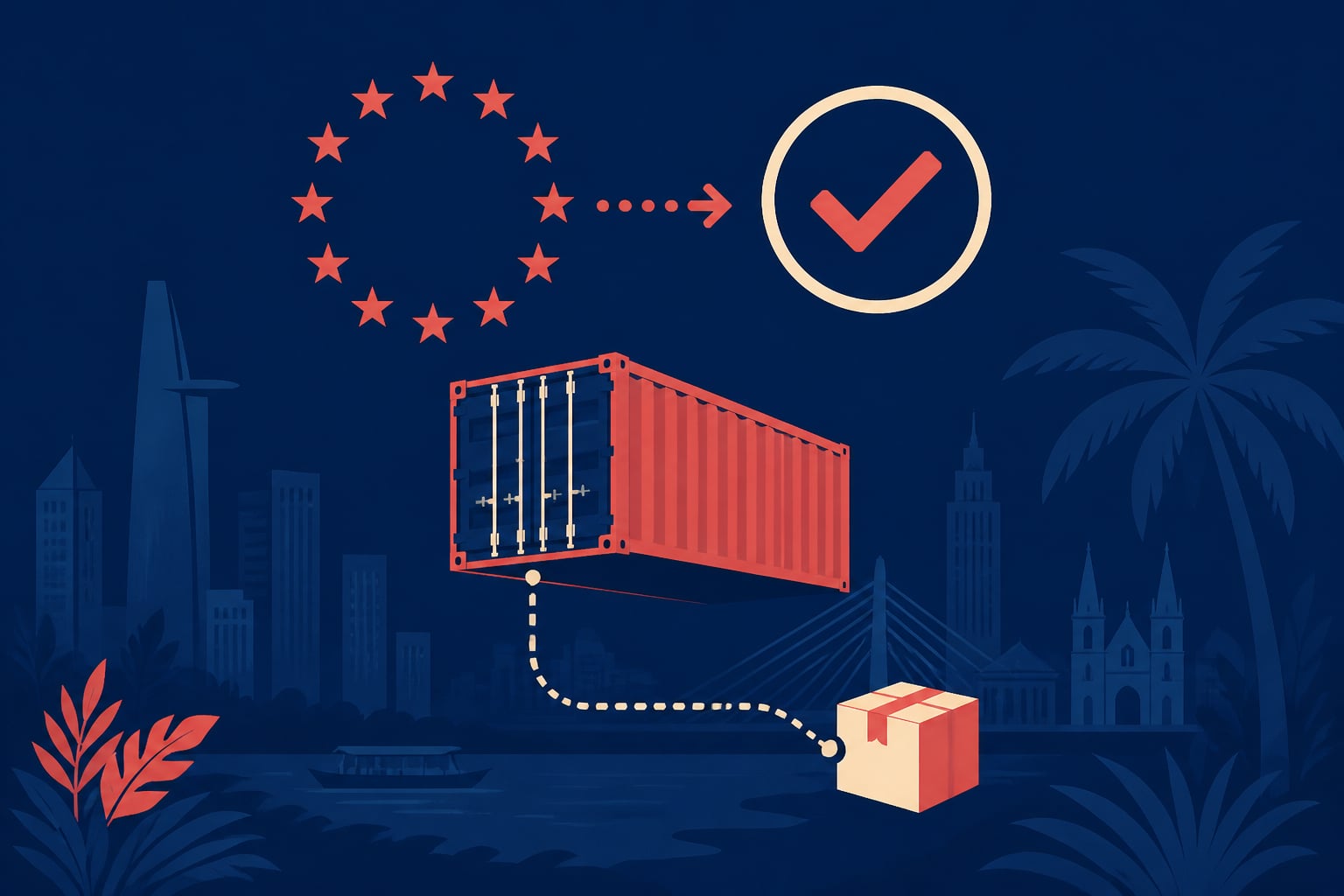
Vietnam has been removed from the list of jurisdictions that the EU considers non-cooperative in tax matters. This was reported on October 12, 2026 by Vietnam Briefing. Formally, this is a technical decision: the country has met the EU Council's requirements on corporate tax transparency, tax information exchange, and compliance with BEPS standards (the OECD plan to combat base erosion and profit shifting).
Why this became news at all. The EU has maintained such a list since 2017, and being on it is not sanctions per se, but a reputational and operational drag. EU banks start asking additional questions about every payment, counterparties build risk into the price, and some funds and institutional investors are simply not allowed to work with a jurisdiction on the list. For Vietnam, exiting the list is the result of several years of negotiations and amendments to domestic legislation.
It is important to understand the scale. Vietnam did not "get a concession" but brought its tax architecture in line with the European standard. This means the rules of the game have become more predictable for everyone who moves money and goods through the country, including Russian entrepreneurs.
WHAT IT MEANS
For Russian e-commerce, which is looking for an alternative to China, this news works on three levels. The first is banking. A Vietnamese supplier working with European correspondent banks now passes compliance faster. In practice, this shortens payment times and reduces the likelihood that a transfer will get stuck for a week with a request to "clarify the economic purpose of the transaction." There are no exact publicly available figures on timelines for 2026, but the direction of travel is steady: the shorter the stop lists, the fewer manual checks.
The second level is the cost of entering marketplaces. Vietnam has been growing for several years as a manufacturing base for light industry: textiles, footwear, furniture, electronics, packaging. The country does not replace China entirely, but it is taking a share of orders in segments where a low price point and short supply lead matter. Exiting the EU tax list does not directly change factory cost, but it does reduce the "country premium"—the part of the price that a supplier built in for risks related to the jurisdiction's reputation.
The third level is trust in documents. A Russian seller who sources in Southeast Asia constantly runs into the question: how to confirm the origin of goods and the legality of the chain. After leaving the list, Vietnam is perceived by banks, logistics providers, and platforms as a "cleaner" jurisdiction. This does not eliminate checks, but it simplifies the conversation with those who require confirmation.
Separately, it is worth mentioning competition within the region. Thailand, Malaysia, and Indonesia are also actively competing for orders leaving China. Vietnam is now gaining an advantage in negotiations with European and Asian banks, and this indirectly affects terms for Russian buyers as well: the more legal export turnover a country has, the wider the choice of factories and the lower the minimum order.
VIETSMART EXPERT COMMENTARY
In recent months I have regularly been at factories in Binh Duong and Dong Nai, and I see the same picture. Russian entrepreneurs arrive with the request "like China, but cheaper," and get a different market: fewer ready-made intermediaries, more direct factories, higher document requirements. The most common mistake is choosing a supplier based on the price in the quote and not checking whether they have an export license and a CFS certificate for the product. Later at customs it turns out that the shipment was processed under the wrong company, and the money gets stuck.
If I were a Russian entrepreneur, I would use this news as a reason to rebuild my supplier pool. Not abandon China, but add Vietnam as a second pillar: 20–30% of the assortment in categories with a short production cycle. And be sure to check not only the price but also the counterparty's tax history—after leaving the EU list, Vietnamese companies themselves are interested in showing transparent reporting.

CONCLUSIONS AND WHAT TO DO
- Ask your current and potential Vietnamese suppliers for their tax code (MST) and verify it in the national database—this is basic hygiene after the news about transparency.
- Review your payment routes: if you previously avoided Vietnamese banks because of compliance-check risk, it now makes sense to test direct transfers through banks that work with the EU.
- Identify 2–3 categories where Vietnam is competitive on price and lead time (textiles, furniture, packaging) and launch a trial batch instead of fully switching away from China.
- Include in the contract a requirement to provide a certificate of origin and an export license—this will remove some questions at customs and with the marketplace.
- Check whether your logistics partner's terms for the Vietnam route have changed: leaving the list is often accompanied by a revision of tariffs and timelines.
Source: Vietnam Briefing dated October 12, 2026