WHAT HAPPENED
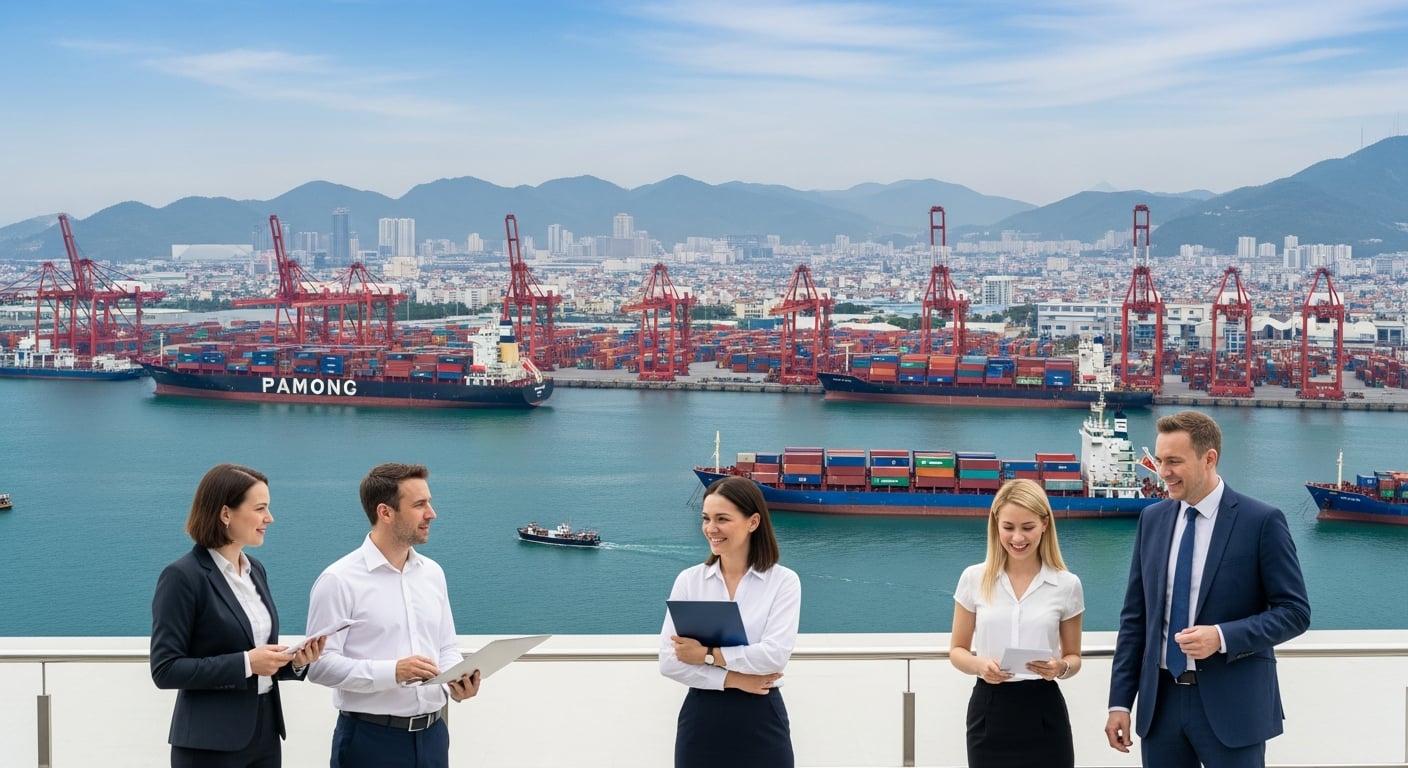
The port city of Haiphong, a pivotal economic hub in Northern Vietnam, has approved its ambitious socio-economic development plan for the 2026-2030 period. Central to this plan is a drive for impressive double-digit growth in its gross regional product, targeting an annual rate of 13-14%. This news, reported by the reputable business publication VnEconomy EN, is more than just a statistical forecast; it's a powerful signal regarding the region's strategic development trajectory.
Such an aggressive growth strategy indicates substantial investments and government support aimed at strengthening Haiphong's industrial potential, modernizing its infrastructure, and enhancing its appeal as a center for international trade and logistics. Double-digit growth rates sustained over an extended period are rare in the global economy and typically result from focused policies, an influx of foreign direct investment, and the effective leverage of geographical advantages.
Considering Haiphong's geographical position as a deep-water port and its crucial role in Vietnam's economy, the stated goals imply a significant expansion of port capacities, the development of its transport network (roads, railways, air connections), and the creation of favorable conditions for production and export. This directly impacts any business focused on importing from Southeast Asia, offering new prospects for supply chain optimization.
WHAT THIS MEANS
For Russian e-commerce entrepreneurs aiming to diversify their logistics chains and scout for new suppliers, Haiphong’s ambitious plans open a window of unique opportunities. In an environment of constantly shifting geopolitical and economic landscapes, reducing reliance on a single region or route is no longer merely desirable but critically important for business resilience. Haiphong, with its declared growth, is positioned as a promising hub for addressing these challenges.
Firstly, Haiphong's strategic significance as Northern Vietnam's primary port is amplified by its potential to become a key transit point between Southeast Asia, China (especially its southern provinces), and the rest of the world. An annual growth of 13-14% implies massive investments in port infrastructure, logistics parks, free economic zones, and improved customs procedures. This translates to faster cargo processing, reduced waiting times, and consequently, increased overall efficiency and lower shipping costs.
Secondly, Vietnam in general, and the Haiphong region in particular, are demonstrating stable growth in manufacturing capacities across sectors such as electronics, textiles, footwear, furniture, agricultural products, and components. The emphasis on economic growth signifies stimulation of local production and attracting new investments into establishing modern enterprises. This creates fertile ground for Russian e-commerce entrepreneurs seeking reliable, price and quality-competitive suppliers capable of ensuring stable deliveries of consumer goods.
Thirdly, diversifying logistics chains through Haiphong helps mitigate risks associated with supply disruptions from traditional sources. Whether it's pandemics, natural disasters, or geopolitical tensions, the availability of alternative routes and suppliers from Vietnam enhances business stability. Furthermore, Haiphong's developing infrastructure opens up opportunities for utilizing multimodal transport, combining sea, road, and rail freight to optimize delivery times and costs to Russia.
VIETSMART EXPERT COMMENT
From VietSmart's perspective, Haiphong's announced growth rates are not just figures in a report; they represent a roadmap for businesses thinking years ahead. We see this signal as a call to action for Russian entrepreneurs. First and foremost, a systematic analysis of the region's potential is essential, moving beyond traditional perceptions of logistics hubs. Haiphong is actively working to transform its image and capabilities, becoming not just a "dot on the map" but a full-fledged center capable of handling immense cargo volumes and offering a diverse range of goods.
We would recommend actively exploring the local market, not only from a logistics standpoint but also from the perspective of seeking new manufacturing partners. Strengthening supply chains through Vietnam can provide not only stability but also competitive advantages due to more favorable production and logistics conditions. However, it's crucial to remember that ambitious plans require adequate resources, and competition for attention and investment will intensify. Early entry into this market can yield significant long-term dividends.

CONCLUSIONS AND NEXT STEPS
Given Haiphong's ambitious goals, Russian e-commerce entrepreneurs should consider the following concrete steps to leverage its potential:
- Detailed Supplier Market Research: Analyze Vietnamese manufacturing clusters, particularly in provinces connected to Haiphong, for their suitability to your e-commerce product range (e.g., electronics, apparel, furniture, home goods).
- Logistics Route and Operator Assessment: Investigate offerings from various shipping lines and logistics companies for delivery from Haiphong to Russian ports and further inland. Compare transit times, costs, reliability, and opportunities for cargo consolidation.
- Establishment of Partnerships: Identify reliable local logistics operators, customs brokers, and potentially trading agents in Vietnam who can assist with adapting to local specifics and ensuring seamless operations.
- Regulatory Framework Analysis: Examine current and prospective trade agreements between Vietnam and the EAEU/Russia, import duties, product certification requirements, and other regulatory aspects that may affect your business.
- Pilot Projects: Start with small test batches of goods through Haiphong to fine-tune logistics, assess product quality, and establish interaction with new suppliers and partners, thereby minimizing risks.
Source: VnEconomy EN — Business, May 12, 2026