WHAT HAPPENED
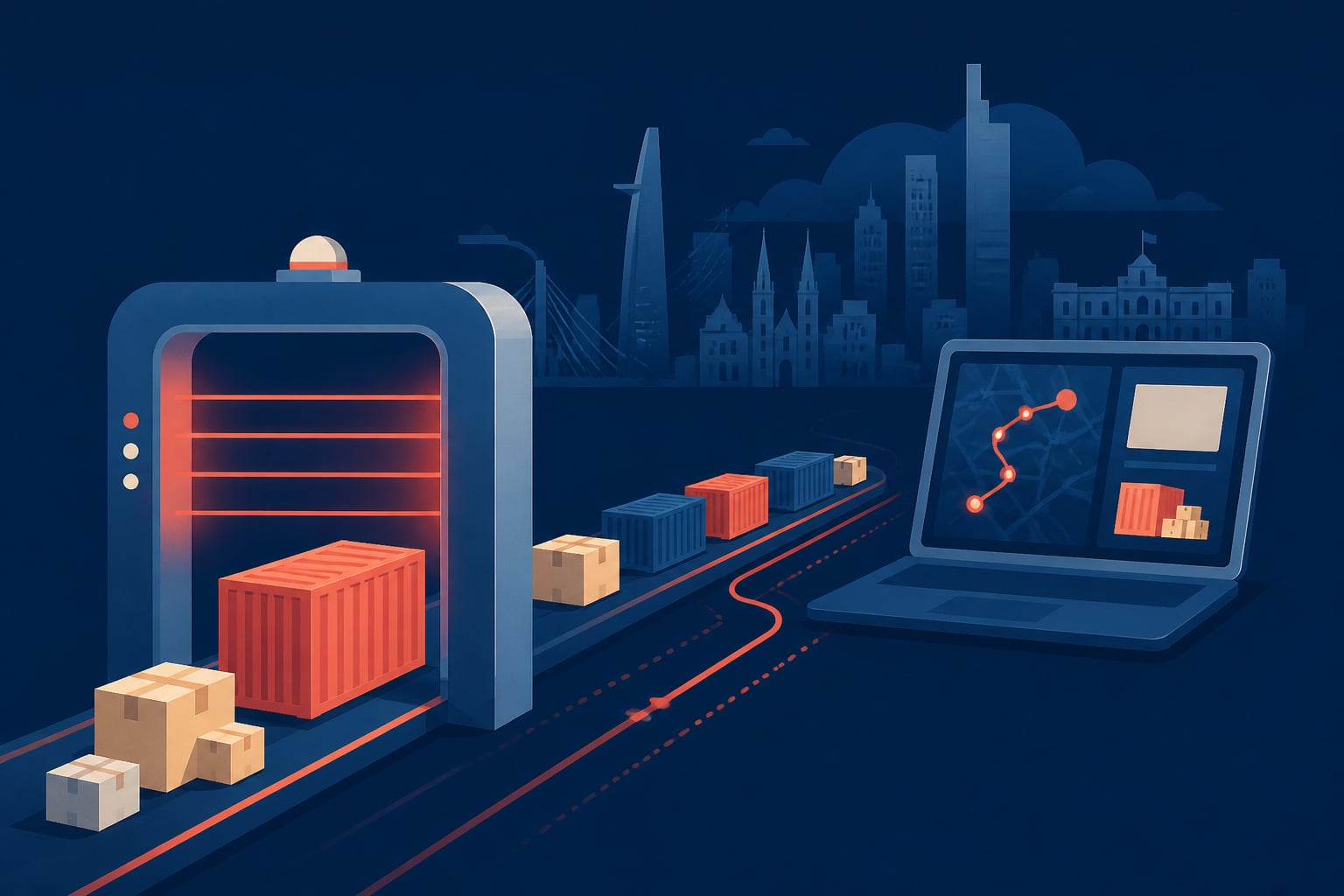
Vietnam is moving customs clearance into digital format and issuing methodological clarifications for businesses on how to form an electronic set of documents in a customs dossier. This is not a standalone bureaucratic memo, but part of the large project "Hải quan số" (digital customs): according to the portal of the Ministry of Finance of Vietnam, the basic completion of the system was planned for 2025, and further development is moving toward the Smart Customs model with a horizon up to 2030.
Technically, this means a change of core: instead of the usual VNACCS/VCIS combination, customs is deploying ECUS6 (Thông quan điện tử phiên bản 6) — a sixth-generation electronic customs clearance system, AVP-Ecom for processing e-commerce and low-value data, and CCES for centralized management and control. According to the same Ministry of Finance, these systems are directly named as the technological foundation of the transition.
A separate track is the pilot of the centralized customs clearance model (thí điểm mô hình thông quan tập trung), launched on June 1, 2026, in Regional Customs Department No. III. The logic of the pilot: priority to digital documents, minimum paper attachments, processing of declarations at a single "entry" node. In parallel, regulatory acts set the framework: Decree 167/2025/ND-CP of June 30, 2025, and Circular 121/2025/TT-BTC of December 18, 2025, which explicitly take into account the application of the Law on Electronic Transactions and allow electronic notifications and copies when working through the National Single Window.
WHAT THIS MEANS
For a Russian seller who sources in Vietnam — from clothing and footwear to furniture, coffee, and electronics — customs digitalization hits the two most painful points: clearance time and predictability of requirements. When documents go electronically through a single window, the classic delay at the junction of "the factory sent the paper — customs is waiting for it — the courier lost the package" disappears. According to Vietnam's Ministry of Finance, customs public services already process around 2.6 million applications per month, and 99.65% of enterprises used electronic customs clearance — a level of digital coverage of business at which the paper track becomes an exception rather than the norm.
The practical effect for shipments to Russia is a reduction in the window between purchasing goods and their physical dispatch. Previously, a week to a week and a half went into coordinating and preparing a paper dossier; with electronic document flow, this stage is compressed, which means the risk that the factory "changed its mind" about holding the price, that the container missed the required slot, or that the batch got stuck at a transshipment hub decreases. For a seller with turnover and a marketplace delivery schedule, this is a direct reduction of money frozen in transit.
The second effect is reduced risk of data discrepancies. An electronic dossier through the National Single Window means that customs sees the permits from relevant agencies itself and does not require them again from the declarant. Less manual entry — fewer typos in the description of goods, codes, and value, and it is precisely on such typos that shipments most often "stall."
The third, less obvious point is the requirements for your Vietnamese partner. Digital customs works only with those who can form a correct electronic set. A factory that still sends scans via WhatsApp and asks "you figure it out yourselves" becomes the bottleneck of the entire chain. I see this in operations in Ho Chi Minh City constantly: partners who have invested in electronic document flow ship noticeably faster, while those who save on this drag out deals and let you down already at the declaration stage.
VIETSMART EXPERT COMMENTARY
If I were a Russian entrepreneur, I would not wait for Vietnam's digital customs to reach all provinces, but would use the transition period as a competitive advantage. Specifically: revise the contract with the factory so that the electronic set of documents is its obligation with a fixed deadline, and request confirmation that the supplier works in ECUS6 and can upload the dossier through the single window. This is not a formality — it is your tool for pressuring timelines.
The second step is to verify your product categories against the requirements of Decree 167/2025 and Circular 121/2025. If your category requires permits from relevant agencies, make sure the factory can send them electronically through NSW: then customs will not request them again, and you will not lose days on sending papers.

CONCLUSIONS AND WHAT TO DO
- Request written confirmation from your Vietnamese supplier that they work in ECUS6 and through the National Single Window — this is the basis for fast clearance.
- Include in the contract a clause on the electronic set of documents with a specific deadline for provision before shipment, not "upon readiness."
- Check your product categories for compliance with Decree 167/2025/ND-CP and Circular 121/2025/TT-BTC: what permits are needed and whether the factory can send them electronically.
- Check with your logistics partner whether they are ready to work with an electronic dossier under centralized clearance, which is being piloted from June 1, 2026.
- Build into your procurement plan a window for adaptation: during the transition period, VNACCS/VCIS outages and switching to ECUS6 are possible, about which customs issues operational directives.
Source: Vietnam.vn dated October 8, 2026